

If colleges are supposed to be the breeding grounds for growth, learning, and changing your worldview, why don’t all colleges protect free speech? Why do some students get punished for what they say?
The answer depends on one key distinction: whether a school is public or private.
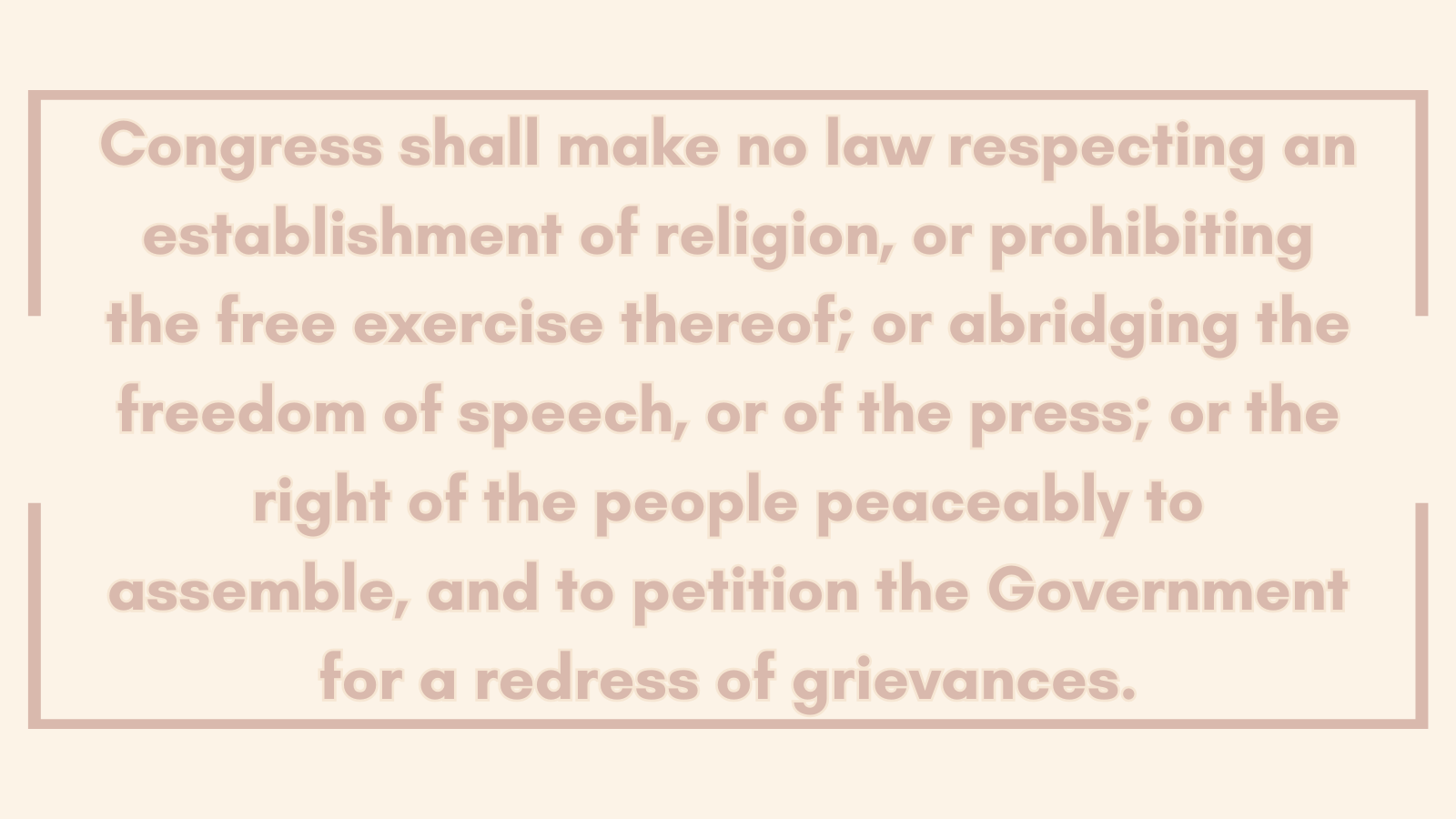
Public colleges and universities are considered state actors. Because they are government institutions, they are bound by the First Amendment. That means they generally cannot punish students for protected speech.
Private colleges, on the other hand, are not state actors, meaning they are not bound by the First Amendment and are legally permitted to regulate student speech under their own policies.
This often feels counterintuitive. After all, punishing controversial speech seems to undermine the mission of higher education. But legally speaking, private colleges are allowed to do so.
When evaluating whether your First Amendment rights have been violated, this is the first question to ask: Is the institution a government actor?
The First Amendment restricts government actors, not private institutions.
If private schools are not bound by the Constitution, how are they held to Title IX?
The answer lies in the difference between constitutional law and statutory law.
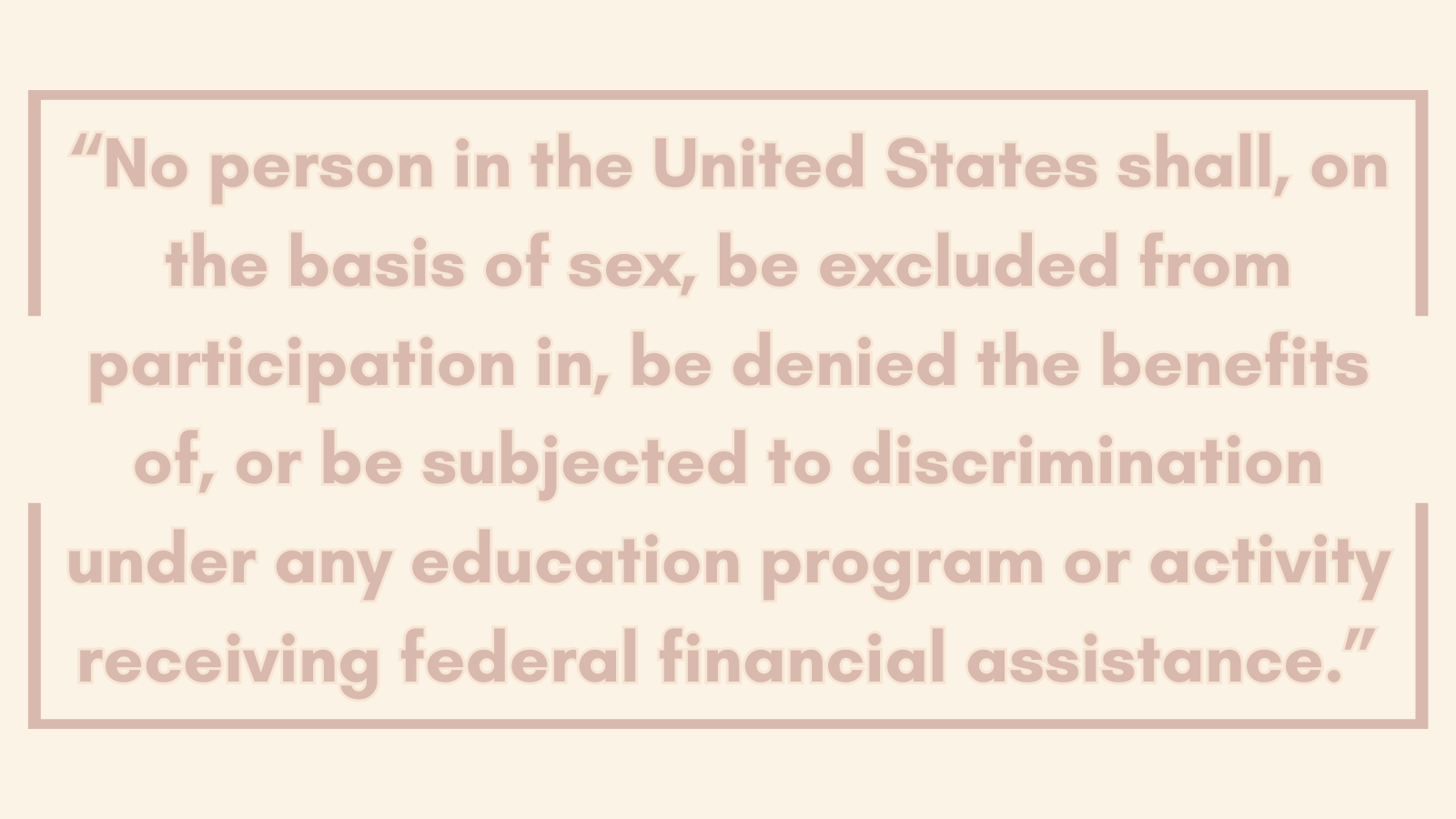
Title IX is not a constitutional rule. It’s a federal statute enacted by Congress. Congress has the power to attach conditions to federal funding, and Title IX is one of those conditions.
If an institution receives federal funding, they must comply with Title IX or risk losing funding.
Importantly, “federal funding” does not mean a single large check from the government. Federal student aid counts. Pell Grants and federal student loans qualify as federal funds because that money flows through the institution.
Even private universities are required to comply with Title IX if their students receive federal financial aid.
Why this isn’t a contradiction
The Constitution limits government power. Congress can still pass laws that apply to private institutions if those institutions choose to accept federal funds. Schools opt in to these obligations by taking the money.
This is why a private college may not be required to protect a student’s free speech, but is required to protect students from sex-based discrimination.
(What qualifies as “sex” under Title IX is currently the subject of ongoing legal debate and litigation. The U.S. Supreme Court recently heard oral arguments in West Virginia v. B.P.J., a case that could significantly shape how Title IX is interpreted in the context of athletics.)
What this means for students
Students at public colleges generally have stronger free speech protections.
Students at private colleges are primarily governed by student handbooks and codes of conduct.
All students are protected by Title IX.
Knowing which rules apply to your school matters more than most students realize.